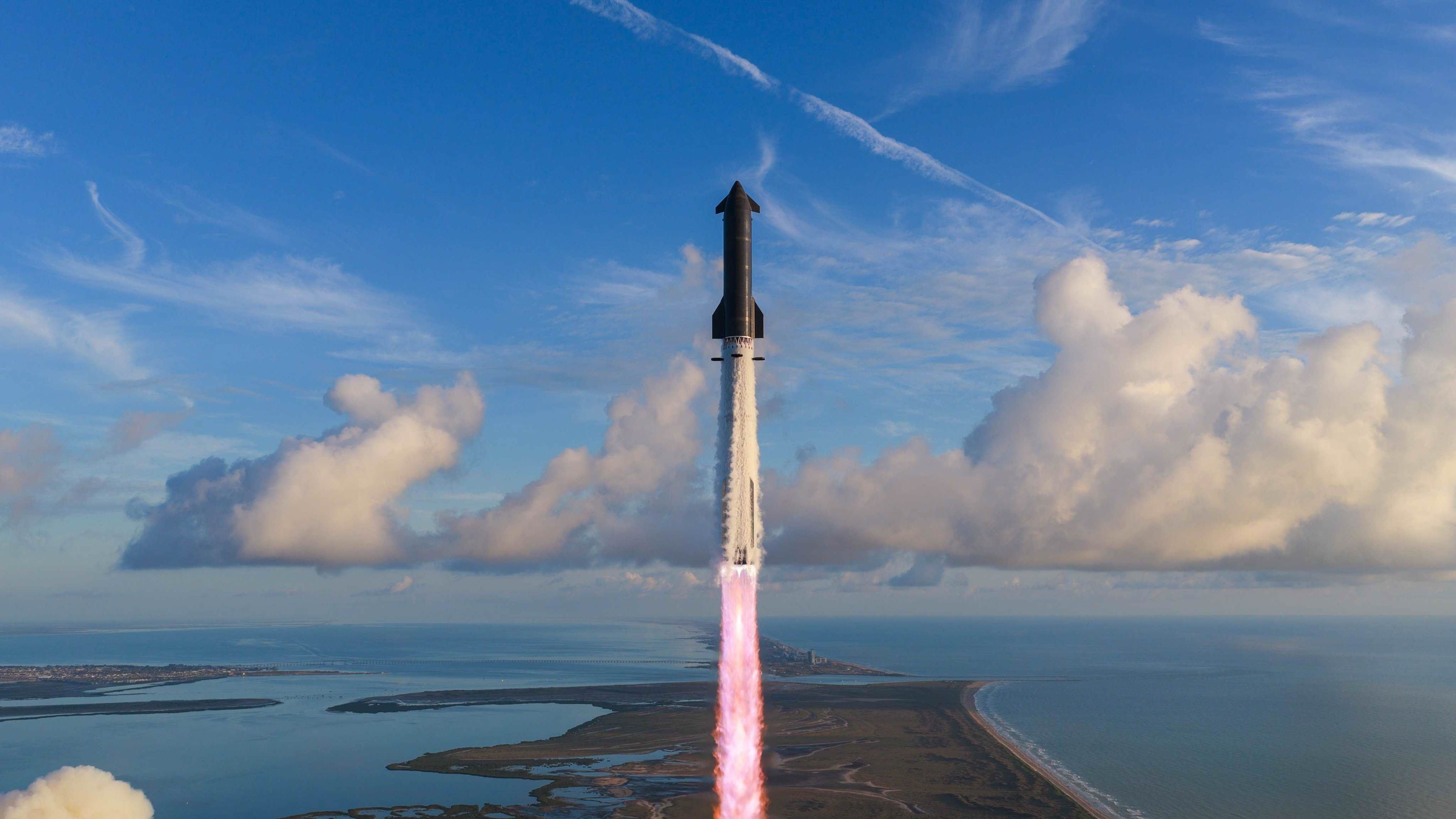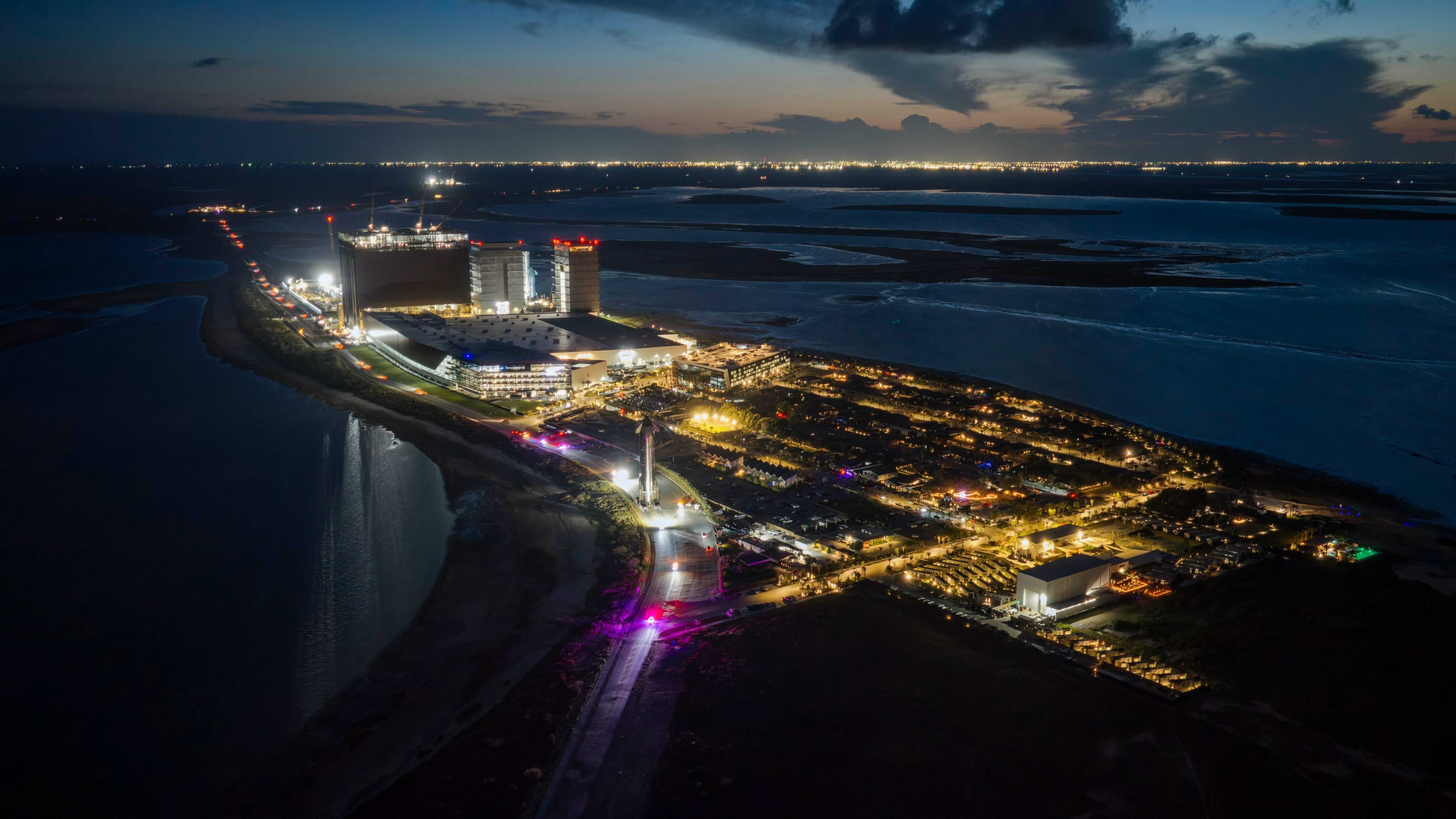
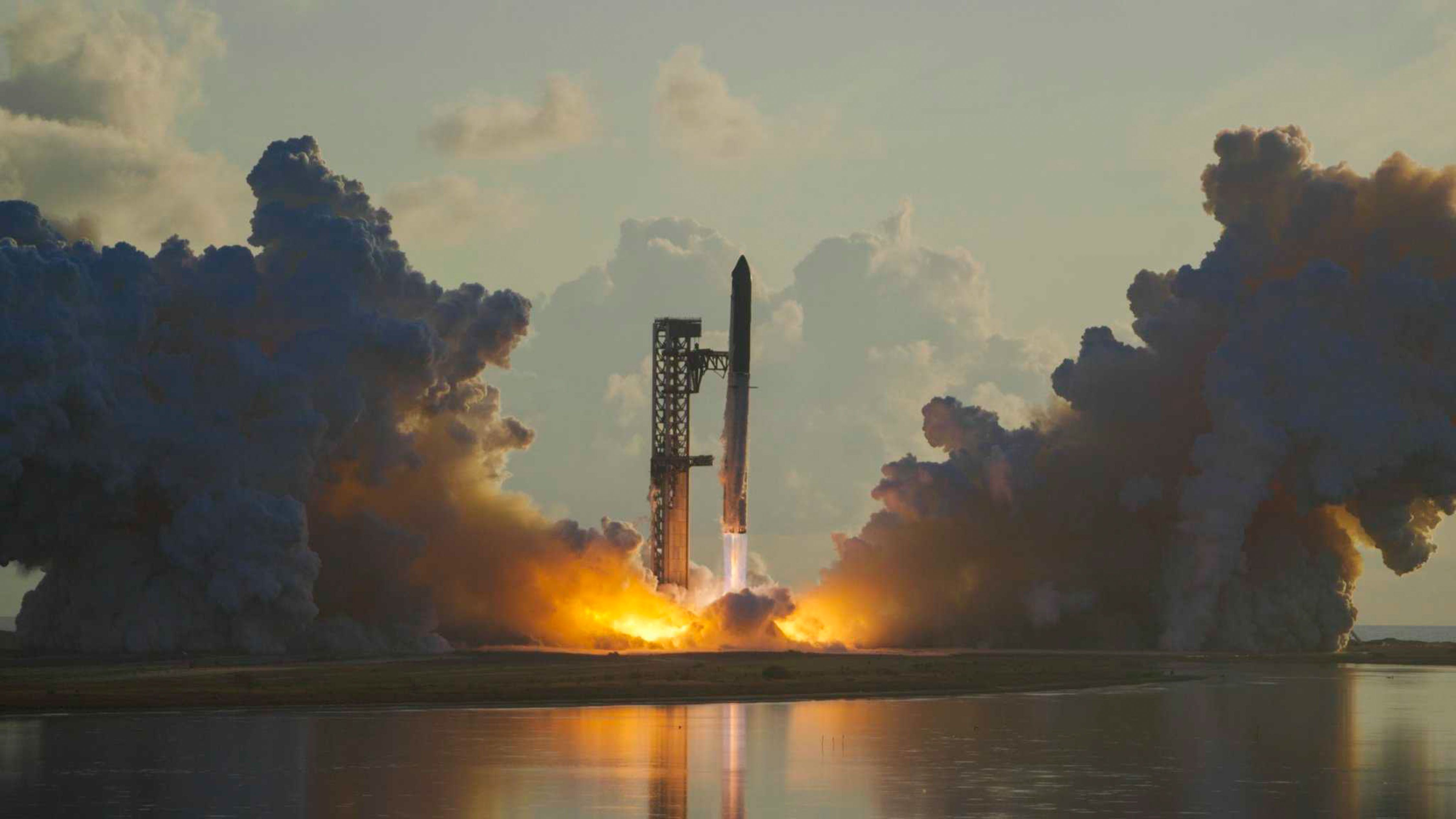
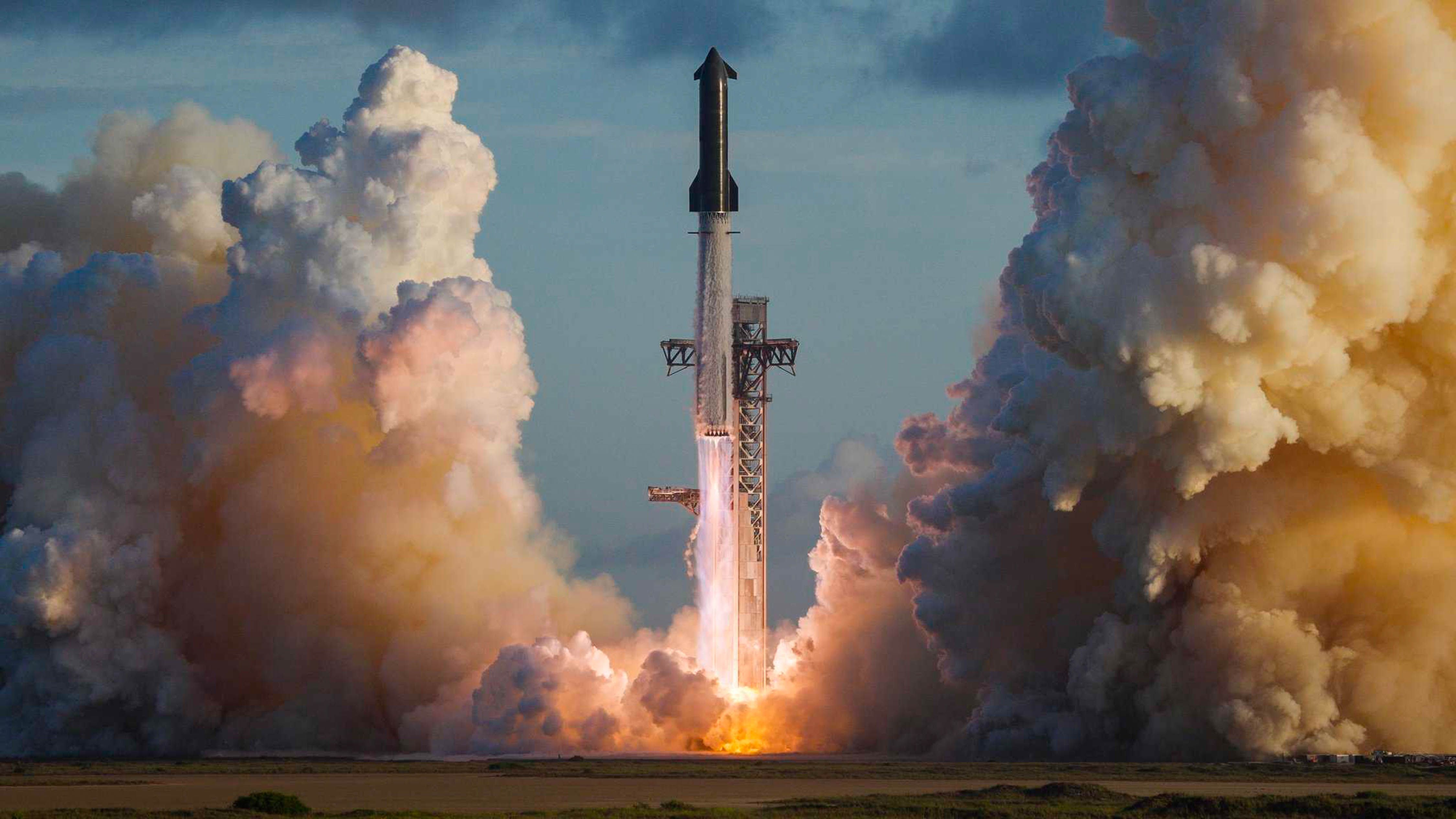
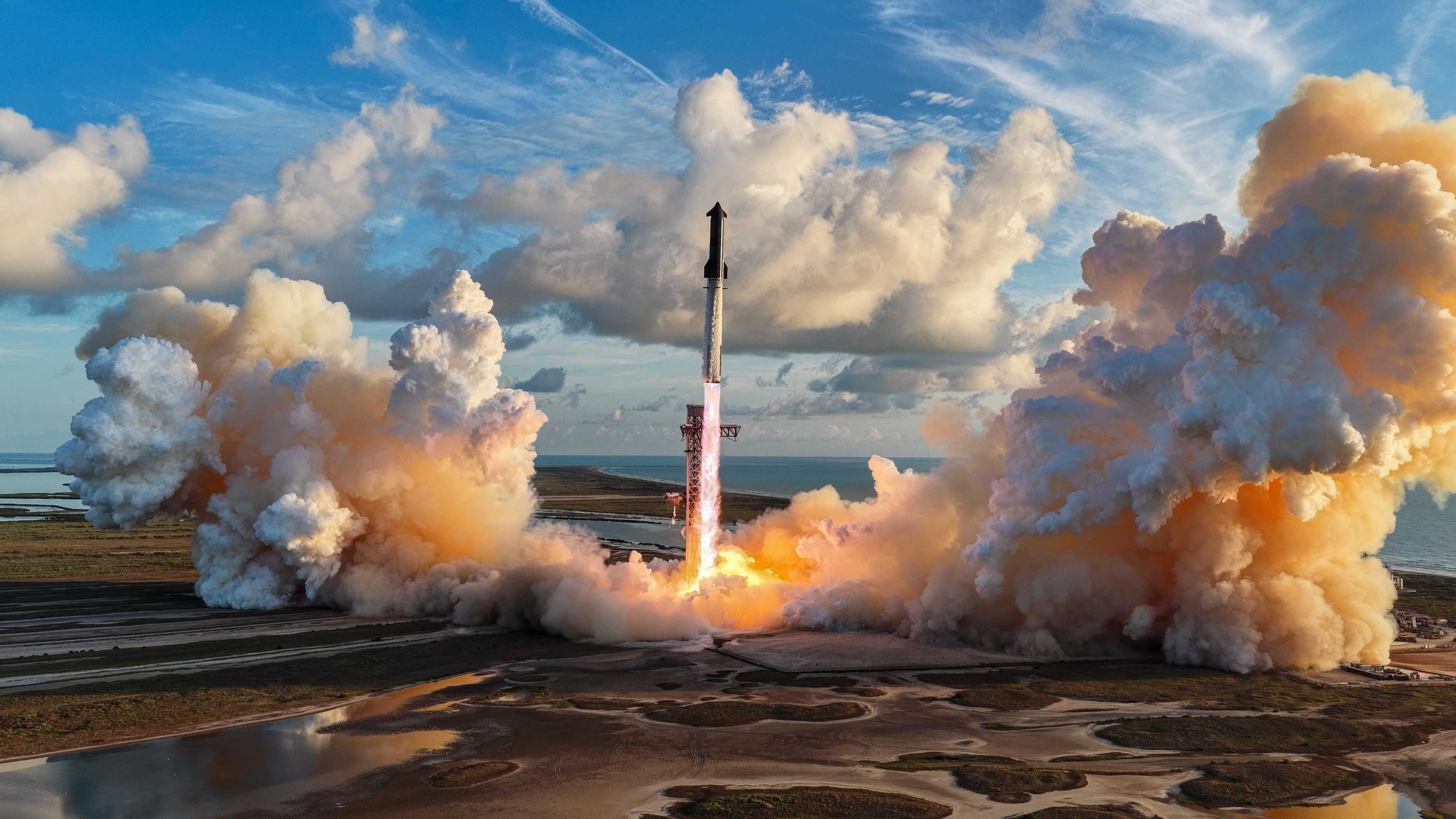
On Monday, September 28th at 7:48 AM CT, Starship left Starbase, Texas, on its fourteenth flight.
For the first time, Starship set its sights on reaching orbit. And succeeded.
Super Heavy lit all 33 Raptor 3 engines and climbed over the Gulf of Mexico. One booster engine shut down during the ascent, but Super Heavy Booster 21 flew anyway. It completed its landing burn above the target splashdown zone in the Gulf. After the landing-burn shutdown, SpaceX triggered the flight termination system to demonstrate the safety hardware.
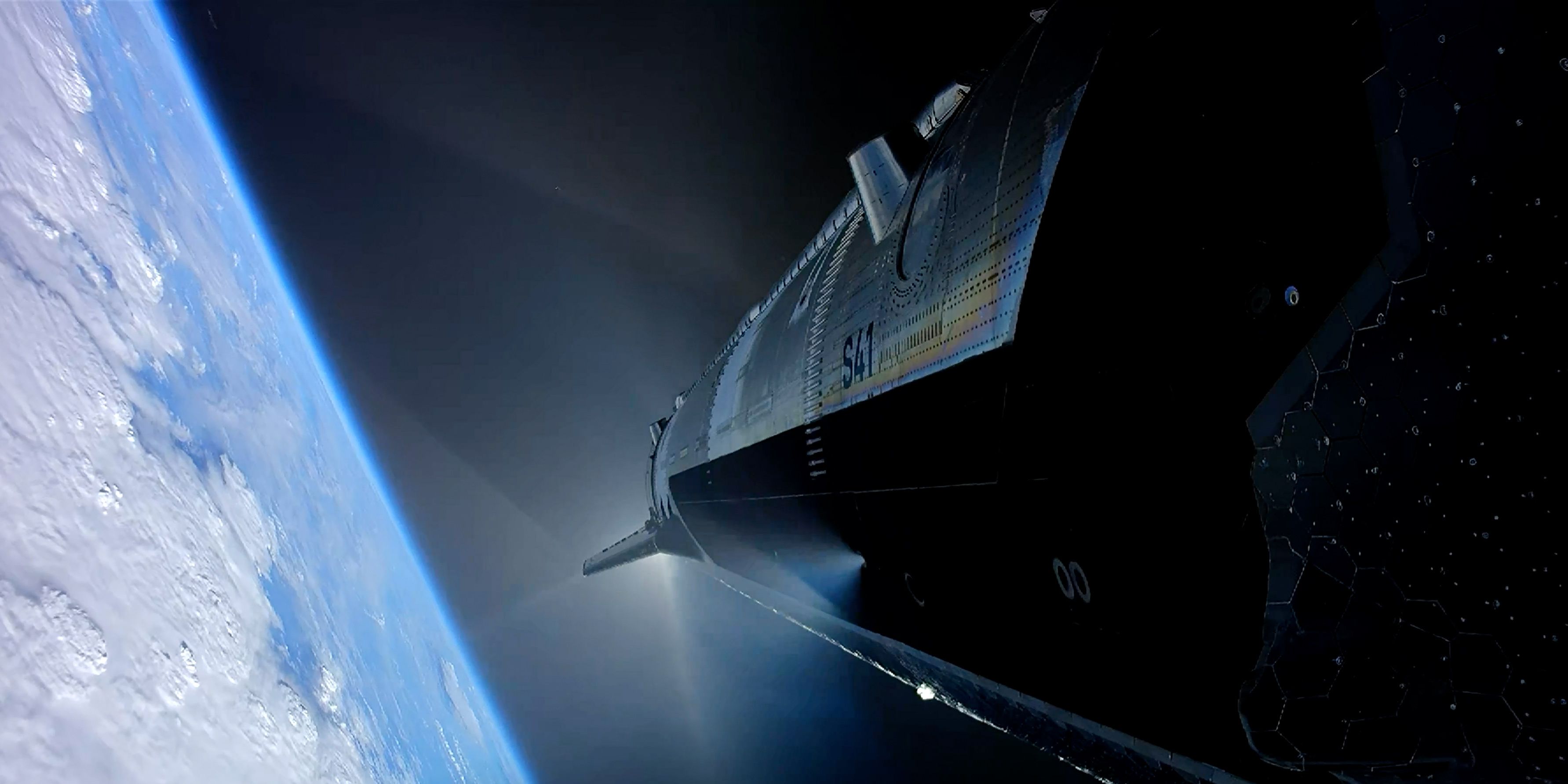
Starship 41 had its own problem. A single Raptor vacuum engine shut down early during the ascent burn. Flight controllers confirmed the three sea-level Raptors needed for later burns were healthy and gave a go for orbital operations.
A single sea-level Raptor relit for an orbit insertion burn, and Starship entered orbit around Earth for the first time. It was the first time the spacecraft reached orbital speed, roughly 17,500 mph.
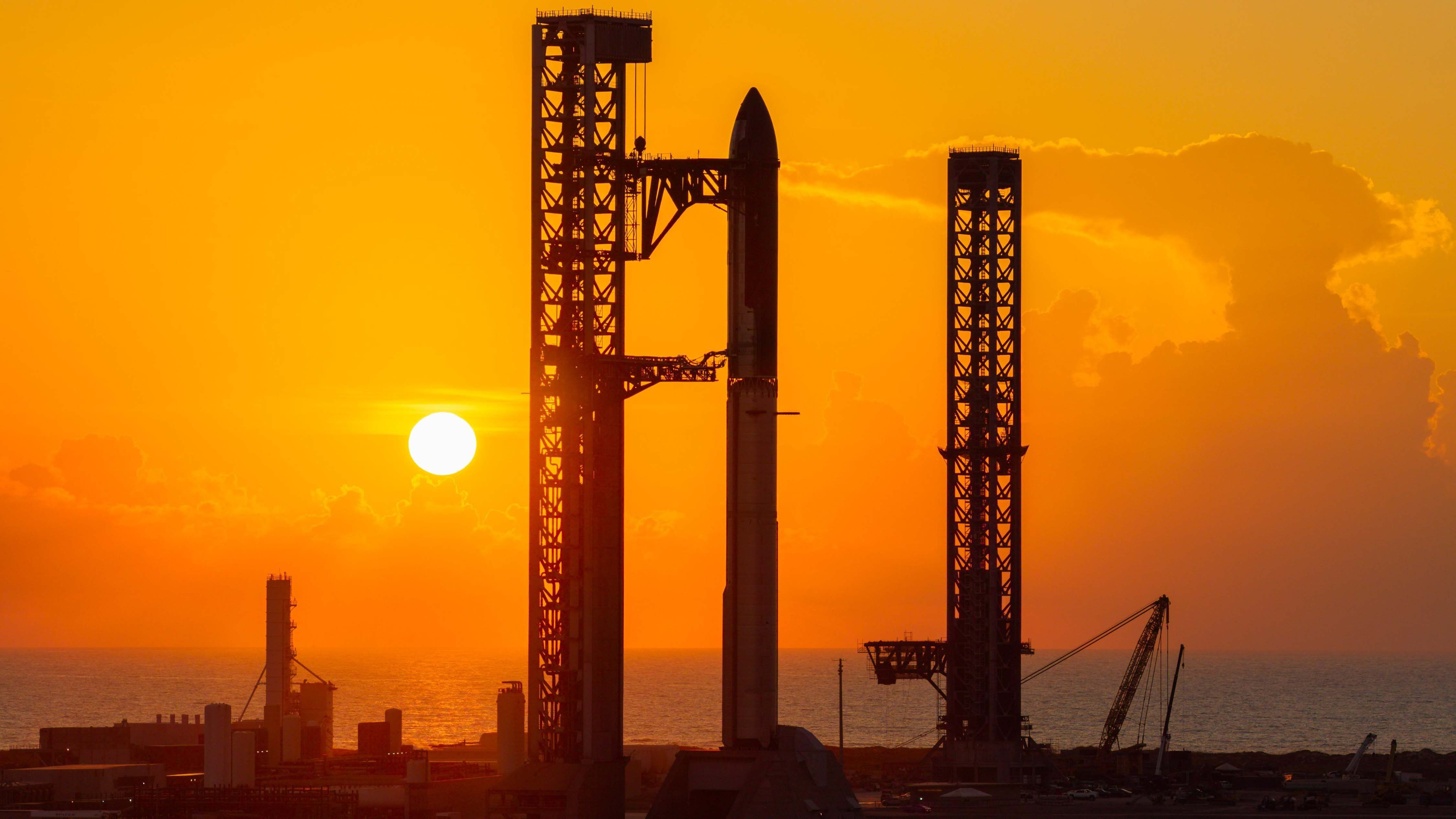
The plan was ambitious.
SpaceX had scheduled a 10-hour flight with six orbits at about 170 miles altitude.
Flight 14 was the first Starship flight to deliver a meaningful payload to orbit: 26 Starlink V3 satellites.
Previous V3 units were test articles on doomed trajectories. On an earlier flight, Ship 40 deployed 20 V3 satellites that unfurled their solar arrays for testing, then burned up behind the ship. These 26 will stay up.
Three pulled double duty. They carried cameras aimed back at the ship to inspect heat tile damage and collect data on sample tiles flown for this mission.
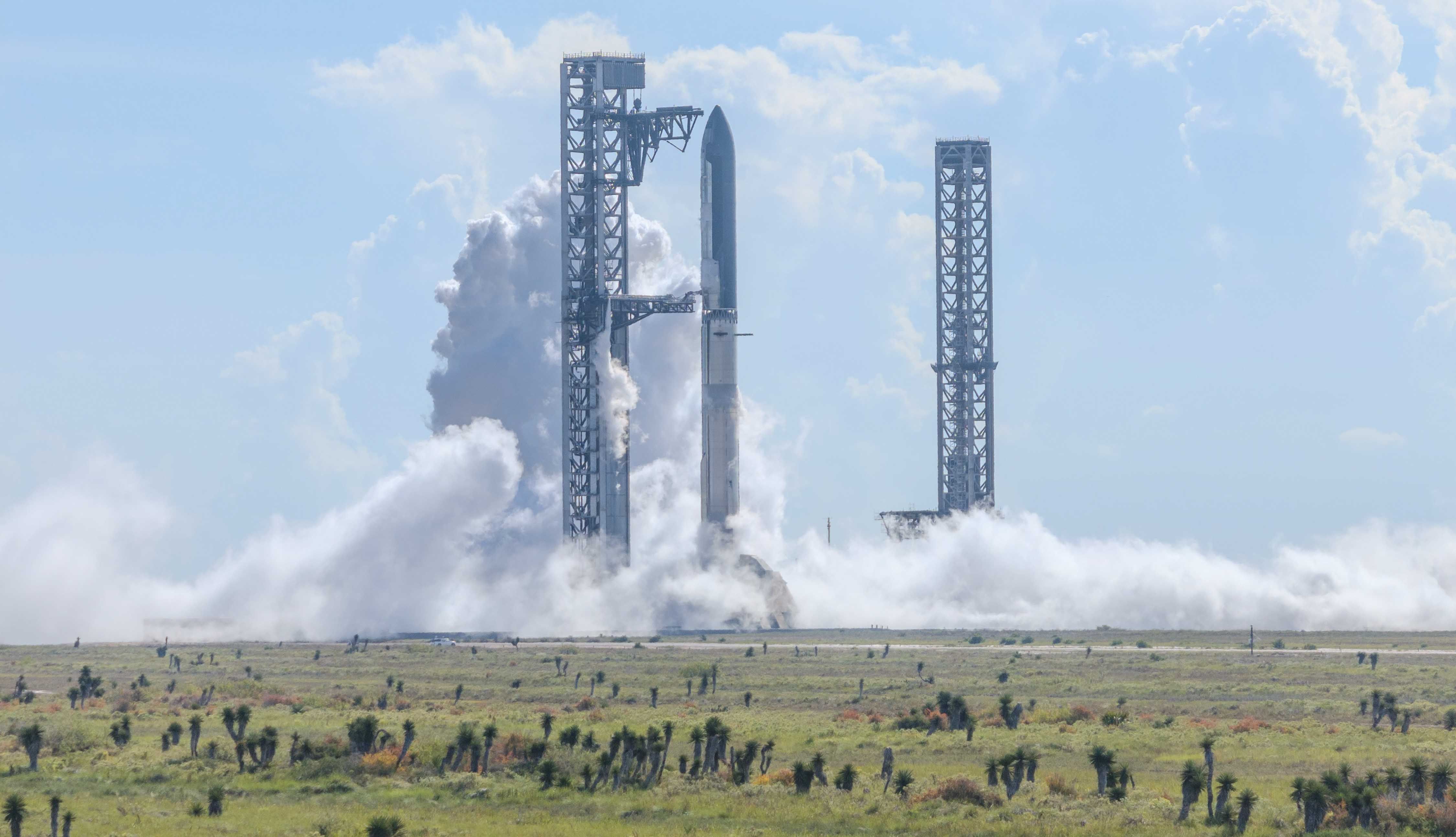
SpaceX's Dan Huot said the flight "was like 20 Falcon 9 flights in terms of bandwidth." One launch. Twenty launches of capacity. That is the V3 promise in a single sentence.
Citing caution over the ascent engine issue, the flight team limited time in orbit and deorbited Starship toward the northern Pacific.
Support Supercluster
Your support makes the Astronaut Database and Launch Tracker possible, and keeps all Supercluster content free.
SupportStarship relit one sea-level Raptor for its first-ever deorbit burn, survived reentry, then relit its engines for the flip and landing burn before splashing down on target. It came down north of Hawaii.
The mission ended at T+3 hours, 9 minutes, about 6 hours, 50 minutes short of the original plan.
Aside from the six planned orbits, Starship hit every Flight 14 goal, including reaching orbit and deploying all 26 V3 Starlinks.
Supercluster will soon be tracking Starship Flight 15 as well as Starship's debut at Cape Canaveral